
Picking your first pair shouldn't feel like defusing a bomb. Here's what actually matters. My nephew got his first real pair of cleats last spring, and within a week he'd already decided they were "the wrong ones" — too stiff, wrong studs for his field, and honestly a little too flashy for a kid who mostly just wanted to not slide around during practice. That's the thing nobody tells beginners: the cleats that look the coolest on the shelf are rarely the ones that make you feel good on the pitch in week one. If you're standing in that same spot right now — scrolling through pages of boots that all sort of blur together — this guide should save you some trial and error. We looked at comfort, price, grip, and how forgiving each pair is for someone still figuring out their footwork, and narrowed it down to five that consistently show up as smart first buys. 1. Best Overall: Adidas Predator League Best for: New players who'd rather feel se...
10 Natural Appetite Suppressants to Try Today
If you're looking to curb those pesky cravings and better manage your hunger, natural appetite suppressants might just be what you need. These solutions harness the power of whole foods and herbs to help you feel fuller for longer, making it easier to maintain a balanced diet and reach your health goals. Let’s dive into some effective options that can support your journey without harsh chemicals or extreme measures.
Protein's Effect on Satiety

Take a look at this plate filled with deliciousness! It's not just about taste, but also about how it can help control your appetite. The grilled piece of protein, likely fish or chicken, is a smart choice for anyone looking to feel full longer.
Protein plays a significant role in satiety. When you include it in your meals, like this beautifully grilled piece, your body takes longer to digest it. This means you feel satisfied for a more extended period, helping you resist those mid-afternoon snack cravings.
The colorful side of golden beans and vibrant greens adds a nutritional punch, too. The beans are full of fiber, which also helps keep you feeling full. Together with protein, they create a balanced meal that can assist in appetite control.
So, the next time you're preparing a meal, think about how you can include more protein and fiber. It’s an easy way to help manage your hunger throughout the day.
The Power of Dark Chocolate
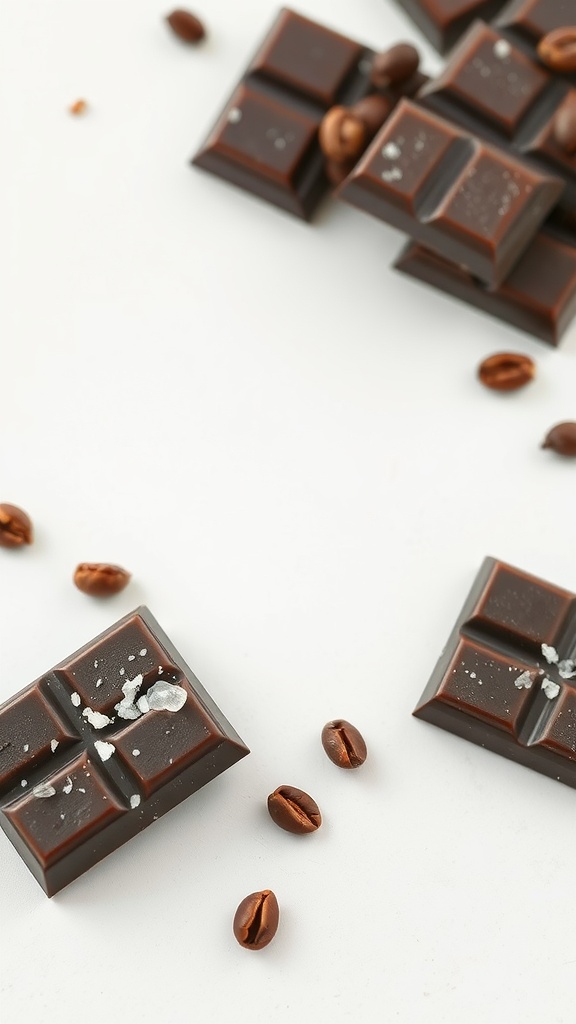
Dark chocolate isn’t just a tasty treat; it also offers benefits that can help suppress appetite. The image beautifully showcases rich, dark chocolate pieces, sprinkled with a bit of sea salt that enhances its flavor. These simple additions create an inviting look, making it hard to resist grabbing a piece!
What makes dark chocolate so special? It contains compounds like flavonoids that can improve mood and curb cravings. A small amount can give your taste buds a delightful boost, making it easier to resist overeating.
If you're looking to incorporate dark chocolate into your diet, consider enjoying a few squares with your afternoon coffee. Not only will you satisfy your sweet tooth, but you'll also enjoy the health benefits that come with it.
To make it even more fun, you can melt dark chocolate and dip your favorite fruits, like strawberries or bananas. This way, you’ll have a tasty dessert that’s also nourishing. Just remember, moderation is key!
Hydration and Its Impact on Appetite

Staying hydrated is really important for managing your appetite. When you're thirsty, your body can sometimes confuse that sensation with hunger. This can lead to unnecessary snacking or overeating. The image shows a refreshing glass of water infused with mint leaves and lemon, which is not only visually appealing but also a simple way to stay hydrated.
Adding fruits and herbs to your water, like in the picture, can make drinking more enjoyable. It encourages you to sip throughout the day. That’s key because proper hydration can help curb those cravings and keep your appetite in check.
So, next time you feel a pang of hunger between meals, consider reaching for a glass of water first. You might just find that what you really needed was hydration, not a snack. This small change can play a big role in how you manage what you eat.
How Healthy Fats Aid in Fullness

The image of fresh ingredients like avocados, nuts, and olive oil perfectly embodies the concept of healthy fats. These foods are not just tasty, but they also play a vital role in keeping us feeling satisfied.
Healthy fats help slow digestion. When you eat them, they mix with other foods in your stomach, creating a feeling of fullness that can last longer. This can be especially helpful if you're looking to manage your appetite naturally.
Avocados are a fantastic source of healthy fat. They’re creamy and delicious, making them easy to add to various dishes. Nuts, like almonds and walnuts, are also packed with nutrients and can be a great snack option. Olive oil, often used in dressings, adds flavor and richness, promoting satisfaction without the need for excess calories.
Incorporating these healthy fats into your meals can be simple. Try adding slices of avocado to your salads, using olive oil as a base for dips, or munching on a handful of nuts. These choices not only taste good but help in managing your hunger.
Benefits of Green Tea in Appetite Control
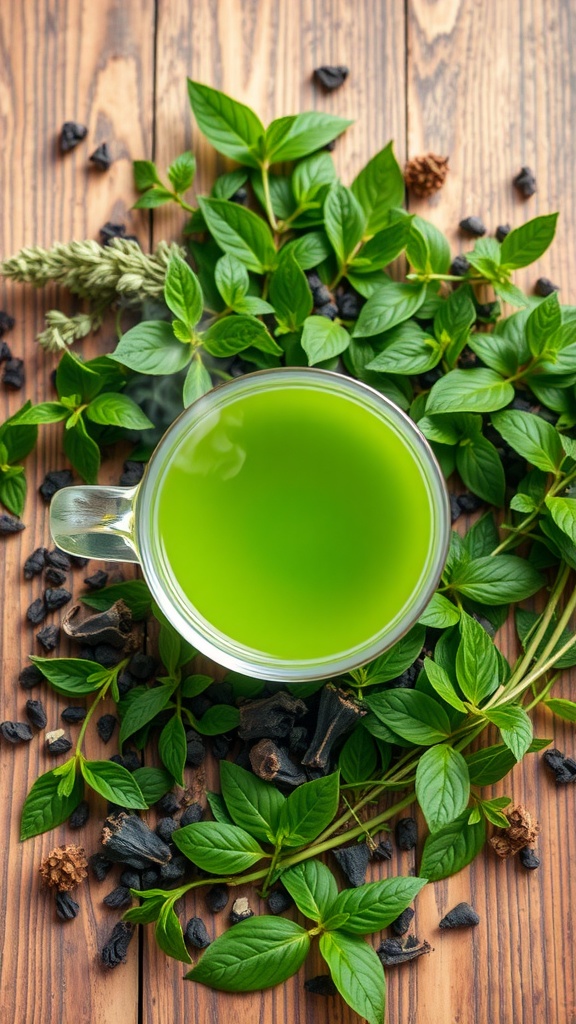
Green tea is not just a refreshing drink; it offers several benefits, especially when it comes to appetite control. The image above shows a vibrant cup of green tea, surrounded by fresh herbs and leaves, emphasizing its natural origins. It's a simple yet powerful beverage that many people incorporate into their daily routines.
One of the key benefits of green tea is its ability to boost metabolism. The combination of catechins and caffeine in green tea can enhance fat oxidation and make you feel fuller for longer. This can help reduce the urge to snack unnecessarily throughout the day.
Another advantage is its rich antioxidant content. These antioxidants can promote overall health and well-being, making it easier to maintain a balanced lifestyle. When you feel good, it’s easier to listen to your body’s hunger cues and avoid overeating.
If you're looking to enjoy the benefits of green tea, consider brewing a cup with fresh leaves. Just steep the leaves in hot water for a few minutes, and enjoy its earthy flavor. You can even add a squeeze of lemon or a touch of honey for taste!
Herbal Teas as Natural Suppressants
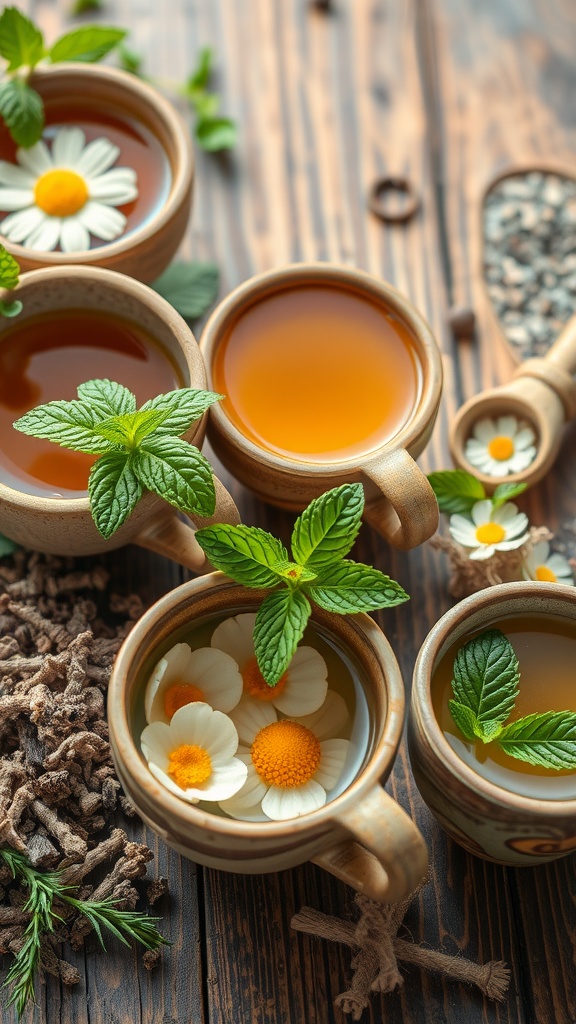
Herbal teas are delightful beverages that can also help curb your appetite. In the image, you see a variety of teas presented in charming mugs, each infused with natural ingredients. The soothing colors and fresh herbs highlight the calming qualities of these drinks.
One of the stars in this selection is chamomile, known for its relaxing properties. This tea can not only soothe your mind but also help you feel fuller, making it easier to resist snacking. Mint is another popular choice, offering a refreshing taste while also promoting digestion and keeping cravings at bay.
To make your own herbal tea blend, gather some chamomile flowers, fresh mint leaves, and perhaps a touch of honey for sweetness. Simply steep the ingredients in hot water for about five minutes. Strain and enjoy your comforting cup. You’ll find that taking a moment to sip tea can be a nice way to control those hunger pangs.
How Spices Influence Hunger Levels

Spices are not just for flavor; they play a big role in managing hunger levels too. The vibrant array of spices in the image shows how diverse ingredients can be used to enhance our meals while also affecting our appetite.
For instance, spices like cayenne pepper can boost metabolism and help suppress hunger. Turmeric is another spice that not only adds color to dishes but may also assist in reducing cravings. When we incorporate these spices into our meals, we essentially create a natural appetite suppressant, making it easier to feel satisfied with smaller portions.
Consider adding a mix of your favorite spices to everyday meals. A simple spice blend of cumin, coriander, and paprika can work wonders. Just toss it on roasted vegetables or mix it into a light vinaigrette for salads. Not only do you elevate the flavor, but you might also notice a decrease in your overall hunger.
Incorporating spices into your cooking is an enjoyable way to explore new flavors and manage your appetite. Next time you reach for the salt, think about the spices that can add both taste and health benefits to your plate!
The Role of Fiber-Rich Foods
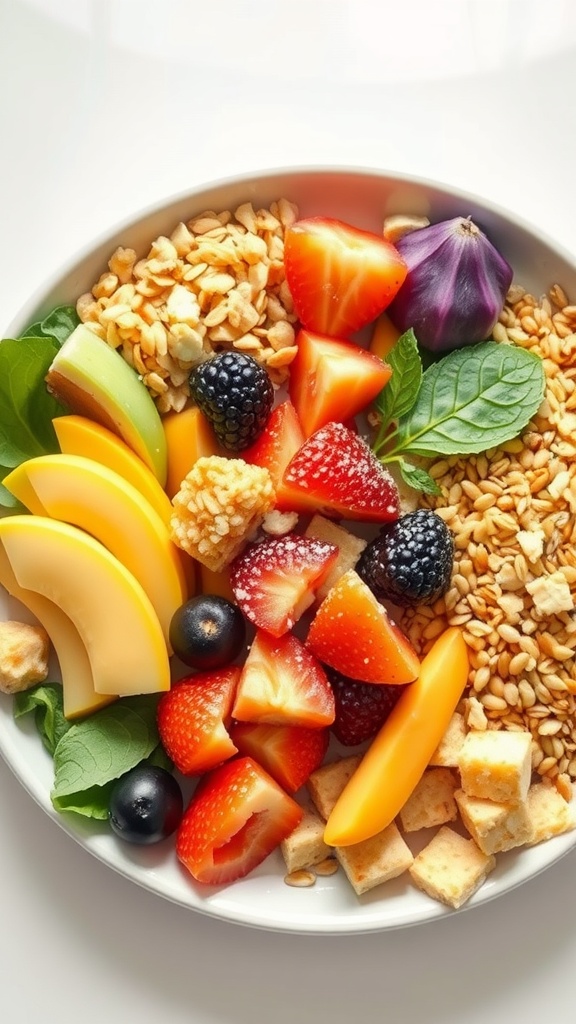
When it comes to natural appetite suppression, fiber-rich foods play a key role. Take a look at the colorful bowl of fresh fruits and seeds in the image. This vibrant mix is not just eye-catching; it's packed with nutrients that help you feel full.
Fruits like strawberries, blueberries, and even figs are rich in fiber. They add bulk to your meals without adding too many calories. This means you can enjoy a satisfying snack or meal while still sticking to your health goals.
The combination of fruits and seeds in the bowl also offers a range of flavors and textures. Crunchy seeds and chewy fruits create a satisfying eating experience. This can help curb cravings and keep you from reaching for less healthy snacks later on.
To make your own fiber-rich bowl, start with a base of leafy greens. Then, add your favorite fruits, like apples or bananas. Sprinkle in some seeds or nuts for extra crunch. Not only is this delicious, but it’s a great way to keep hunger at bay.
The Impact of Sleep on Appetite Regulation

A cozy bedroom scene sets the tone for our discussion about sleep and appetite. The soft, inviting bed suggests comfort, which plays a crucial role in how we manage hunger. Lack of sleep can lead to increased hunger and cravings, making it harder to stick to healthy eating habits.
When we don’t get enough rest, our bodies can produce more ghrelin, the hormone that stimulates appetite. At the same time, sleep deprivation can lower levels of leptin, the hormone that signals fullness. This imbalance can lead to overeating and difficulty in managing weight.
It's essential to prioritize quality sleep to help regulate these hormones effectively. Creating a relaxing sleep environment, like the one in the image, can help us unwind and prepare for a restful night. Think about dimming the lights, turning off screens, and using comfortable bedding to boost your sleep quality.
Incorporating good sleep hygiene can significantly impact your appetite. Establish a routine where you go to bed and wake up at the same time each day. This consistency helps your body understand when it’s time to sleep and when it’s time to be awake, making it easier to manage cravings and hunger.
Mindful Eating Practices for Appetite Control

This image beautifully captures a moment of mindful eating. A person sits at a well-set table, surrounded by fresh ingredients and a serene atmosphere. The soft lighting and lovely decor create a calm environment, perfect for focusing on the meal at hand.
Mindful eating is about being present while you eat. It encourages you to appreciate each bite and stay aware of your hunger signals. In the image, we see a variety of colorful foods, including fresh fruits and vegetables. This not only makes the meal visually appealing but also nutritious.
When you take the time to enjoy your food, you're more likely to recognize when you're full. This is key in controlling your appetite. Instead of rushing through meals, try to savor each bite. Notice the flavors, textures, and aromas. This practice can help you feel satisfied with less food.
To incorporate mindful eating into your life, start by setting aside distractions. Turn off the TV and put away your phone. Focus solely on your meal. You can even take a moment to express gratitude for the food on your plate. Aim to eat slowly and chew thoroughly.
As shown in the image, a well-balanced meal with a variety of food groups can enhance your experience. Think about adding vegetables, fruits, lean proteins, and whole grains to your plate. This balance can help you feel fuller longer and reduce cravings throughout the day.
Comments
Post a Comment