
Picking your first pair shouldn't feel like defusing a bomb. Here's what actually matters. My nephew got his first real pair of cleats last spring, and within a week he'd already decided they were "the wrong ones" — too stiff, wrong studs for his field, and honestly a little too flashy for a kid who mostly just wanted to not slide around during practice. That's the thing nobody tells beginners: the cleats that look the coolest on the shelf are rarely the ones that make you feel good on the pitch in week one. If you're standing in that same spot right now — scrolling through pages of boots that all sort of blur together — this guide should save you some trial and error. We looked at comfort, price, grip, and how forgiving each pair is for someone still figuring out their footwork, and narrowed it down to five that consistently show up as smart first buys. 1. Best Overall: Adidas Predator League Best for: New players who'd rather feel se...
10 Key Differences Between Aerobic and Anaerobic Exercise for Weight Loss
The debate between aerobic and anaerobic exercise has been a popular topic among fitness enthusiasts, especially when it comes to weight loss. Each type of workout offers unique benefits and can play a different role in your fitness journey. In this overview, we'll break down what sets them apart, how they can complement each other, and which might be more effective for your specific weight loss goals.
Understanding Aerobic Exercise

Aerobic exercise is all about keeping your heart pumping and getting that good, steady flow of oxygen. Activities like running, cycling, and swimming fall into this category, and they help burn calories effectively. Plus, they can be fun and social, making it easier to stick with your fitness routine.
Optimal Duration for Aerobic Sessions
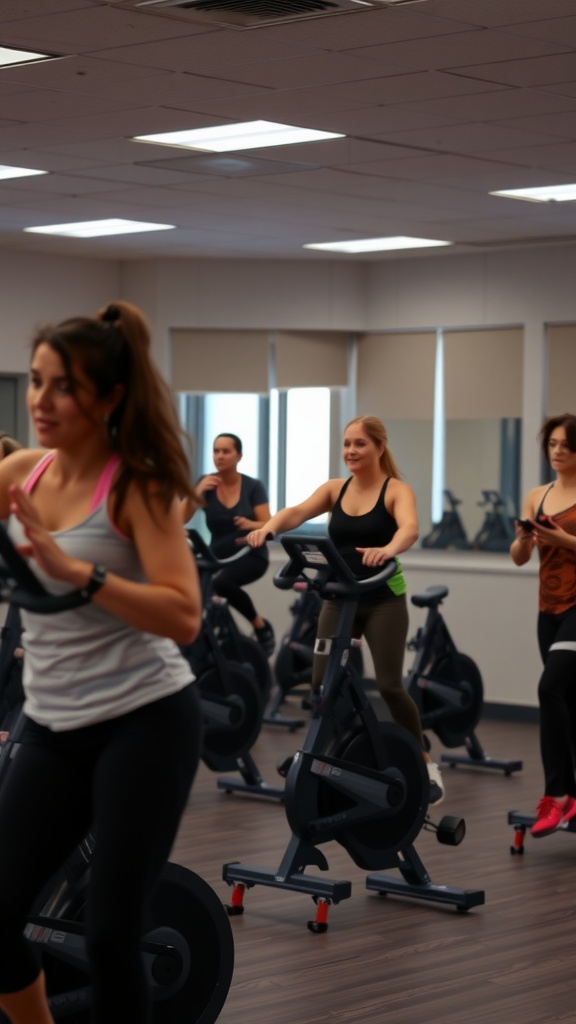
For effective weight loss, aim for aerobic sessions lasting between 150 to 300 minutes a week. Breaking this down, try to fit in about 30 to 60 minutes of moderate-intensity exercise on most days. This approach helps you burn calories and improve your overall fitness without feeling overwhelmed.
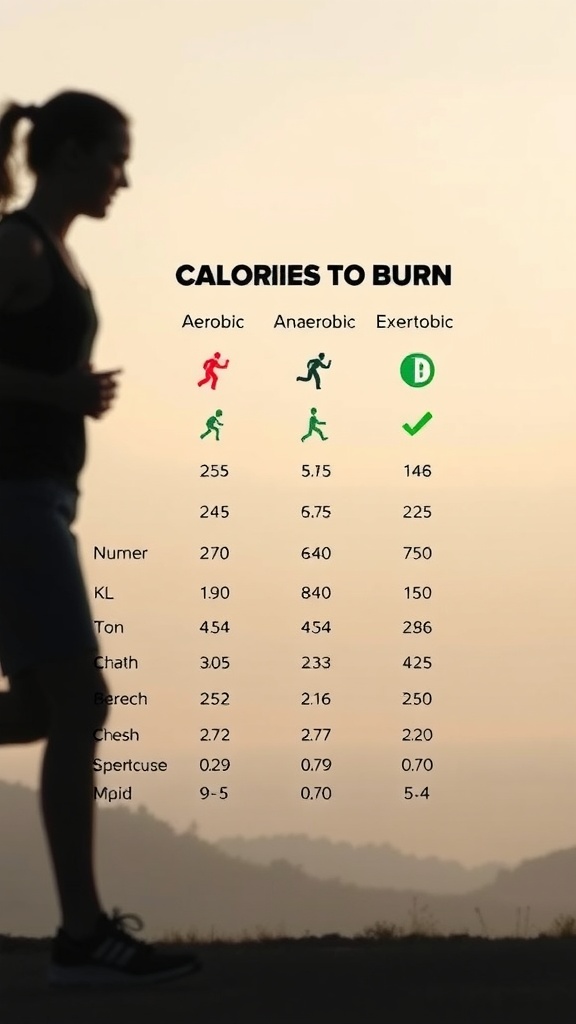
Caloric Burn Comparison: Aerobic vs Anaerobic
Benefits of Anaerobic Exercise
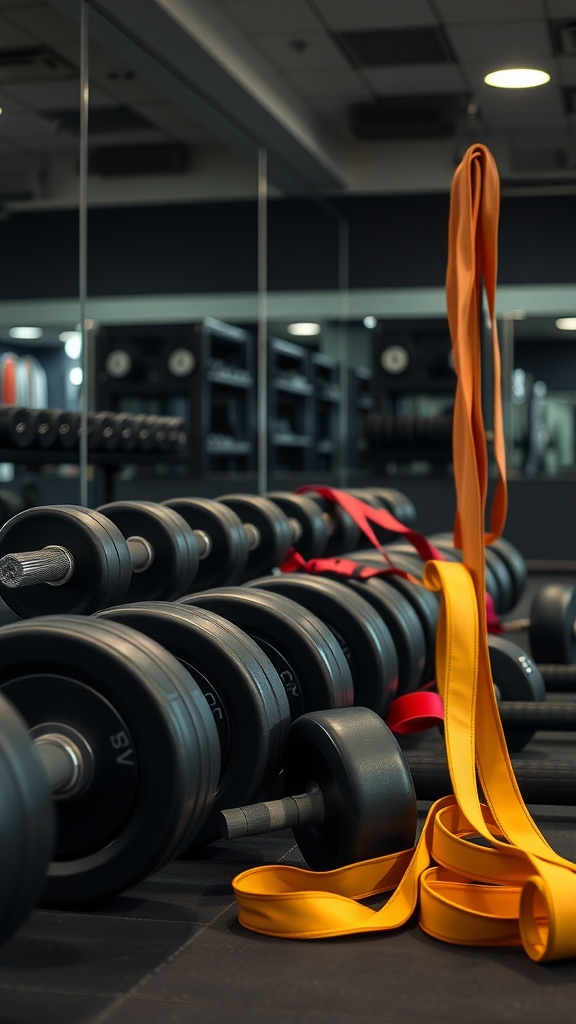
Anaerobic exercise is a fantastic way to boost your metabolism. When you lift weights or do high-intensity interval training, your body continues to burn calories long after your workout. Plus, building muscle helps you maintain a healthy weight over time.
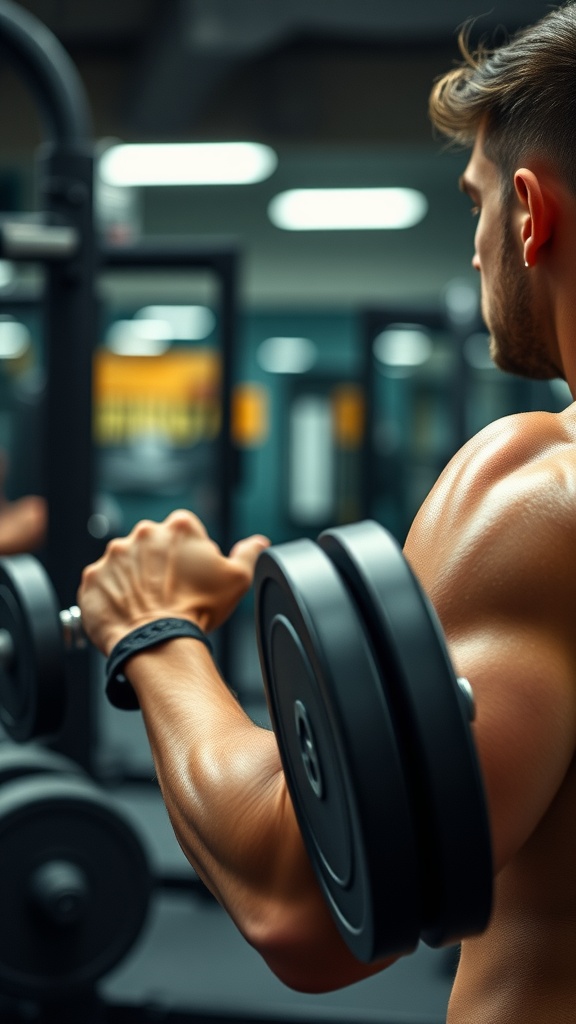
Anaerobic Exercise and Muscle Building
High-Intensity Interval Training (HIIT) Explained
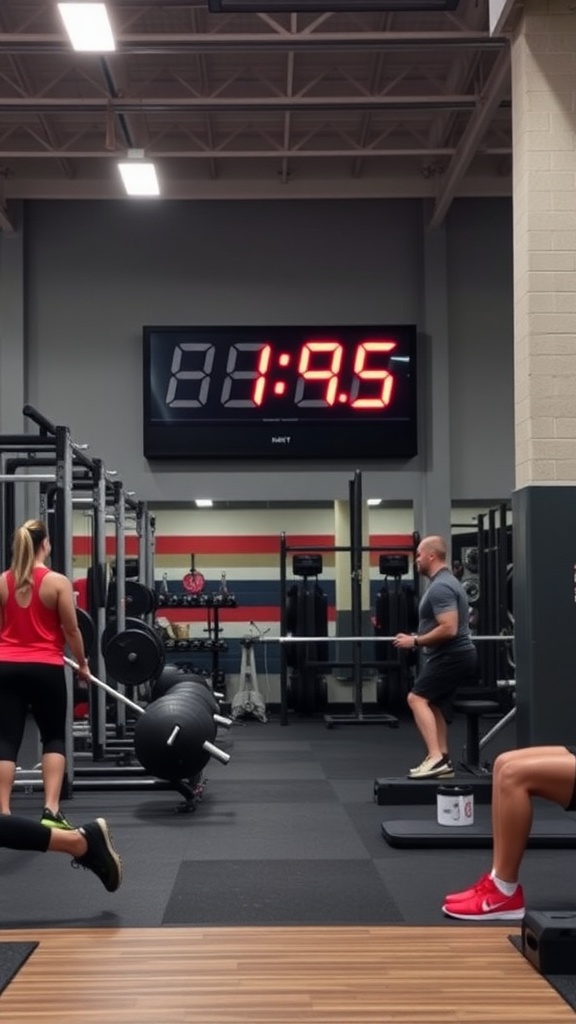
High-Intensity Interval Training, or HIIT, is all about quick bursts of intense exercise followed by short rest periods. This method can ramp up your heart rate, burning calories faster and more effectively than traditional workouts. Plus, it keeps your metabolism revved up long after you’ve finished sweating it out!
Choosing the Right Exercise for Your Goals
Weight Loss Mechanisms of Aerobic Workouts

Aerobic workouts are a fun way to burn calories while boosting your heart health. When you engage in these activities, your body uses oxygen to help convert fat into energy, which can lead to weight loss over time. Plus, the more you exercise, the more calories you burn even after the workout, so it really pays off!
Tailoring Your Routine for Balanced Weight Loss
Injury Risks: Aerobic vs Anaerobic

Comments
Post a Comment